

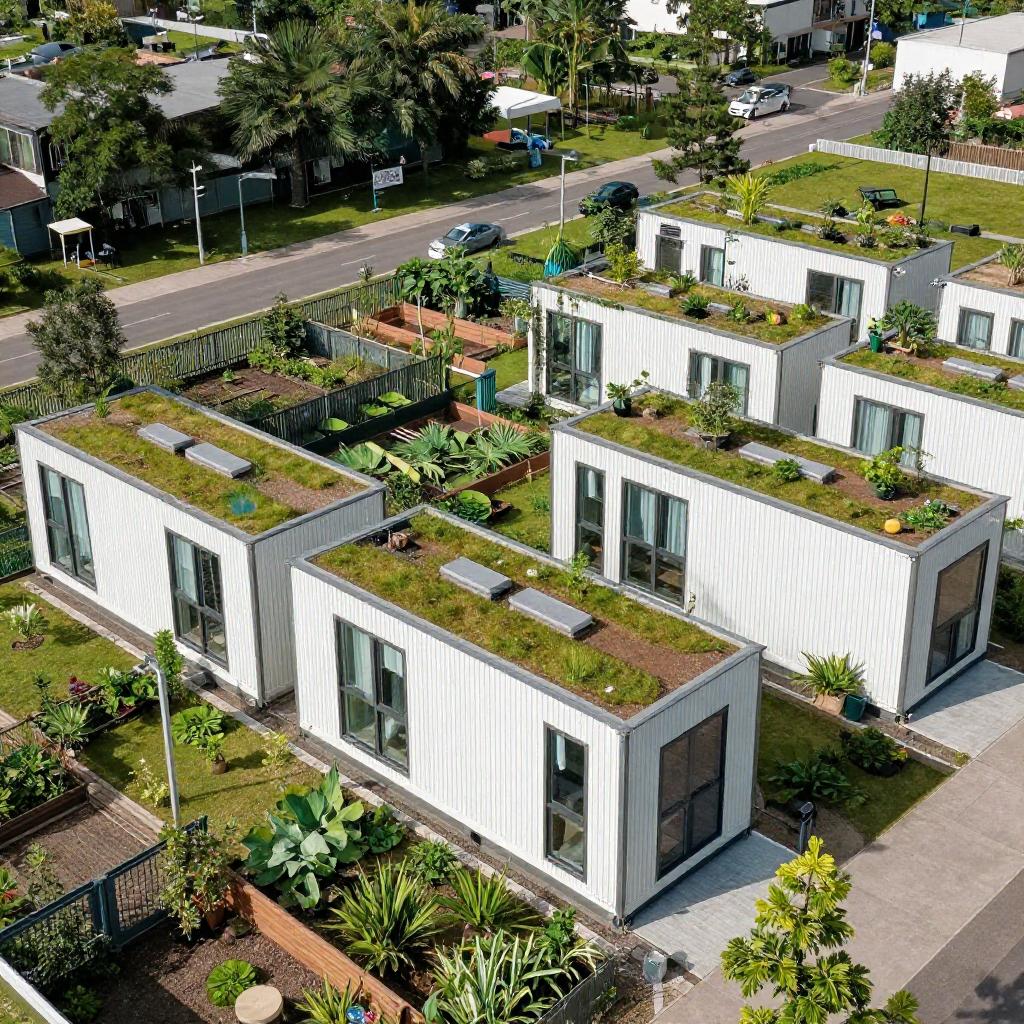
Researchers at the College of Art and Built Environment have introduced a new approach to addressing Ghana’s affordable housing crisis through improved public–private partnership (PPP) housing delivery.
Published in the Journal of Engineering, Design and Technology (2024), the study examined the key factors that influence the success of affordable PPP housing projects in Ghana.
The study comes at a time when Ghana continues to face a significant housing deficit, with many low- and middle-income earners struggling to access decent and affordable accommodation.
While public–private partnerships have increasingly been promoted as a practical solution, the researchers noted that many projects face setbacks because stakeholders often lack a clear understanding of the most important factors needed for success.
To address this gap, the research team, led by Professor Titus Ebenezer Kwofie, developed a decision-support model aimed at helping policymakers, developers, and housing experts make more informed decisions about affordable housing delivery.
Using surveys and analytical tools, the researchers evaluated and ranked the key factors influencing PPP housing projects.
The findings revealed that energy efficiency and the use of low-cost green building materials were considered the most important factors in delivering successful affordable housing.
According to the study, these features not only reduce long-term costs for residents but also support sustainability goals in the built environment.
The study also identified multi-storey self-contained flats as the most preferred housing typology among the options assessed.
The researchers found that this type of housing aligns strongly with the critical factors identified in the study, particularly affordability, sustainability, and efficient land use.
Another important finding was that factors such as sustainability, affordability, cultural values, and accountability remained consistently important across all housing types evaluated.
However, issues relating to governance, transparency, and benchmarking differed depending on the housing typology being considered.
The researchers explained that previous housing studies often examined these factors separately.
Their study, however, integrates them into a single evaluative model that can systematically support decision-making in affordable PPP housing delivery.
This provides practical guidance for government agencies, developers, and investors seeking sustainable solutions to Ghana’s housing challenges.
The co-authors include Dr. Michael Nii Addy, Prof. Daniel Yaw Addai Duah, Prof. Clinton Ohis Aigbavboa, Dr. Emmanuel Banahene Owusu, and Mr. George Felix Olympio.