

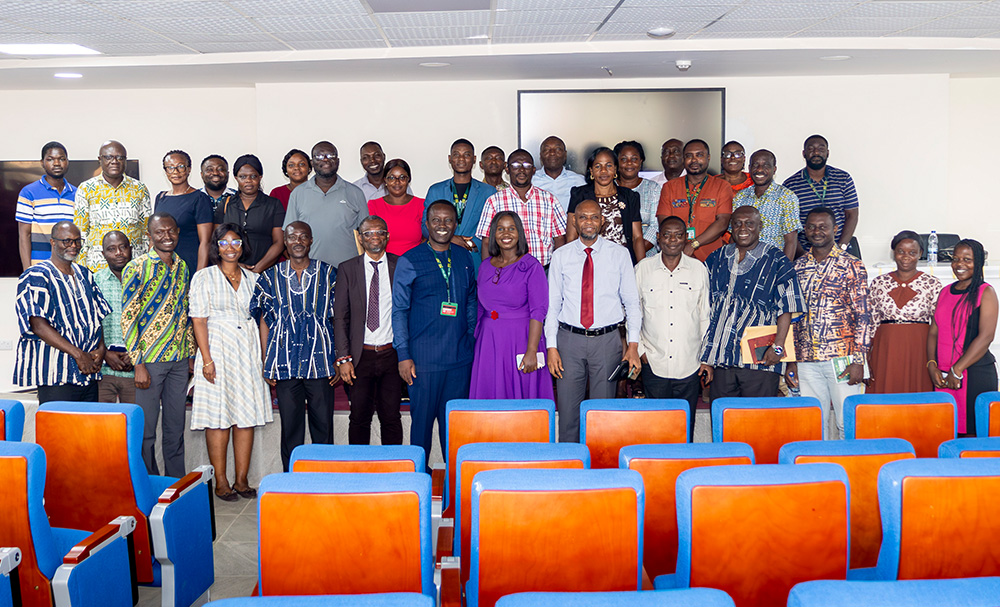
The College of Art and Built Environment (CABE) at the Kwame Nkrumah University of Science and Technology (KNUST), Kumasi, has held a workshop on procurement processes to improve compliance and support operational activities.
The workshop brought together deans, faculty registrars, department heads, and administrative assistants to deepen their understanding of procurement procedures and regulatory requirements.

Speaking on behalf of the College Provost, Professor Emmanuel Adinyira emphasised the need for continuous improvement in procurement practices across the college.
“We have been at this procurement thing for some time, obviousely , we should be improving, we can get better, we can do better at what it is we’re doing. We all know how important it is for the university,” he said.
He noted that the engagement was intended to help staff stay up to date on evolving procurement policies and practices.
“I think this conversation is to get us to do better. Ideally, it’s to get us to get ourselves well acquainted with the changes that I believe have come on board and may even be coming on board,” he explained.
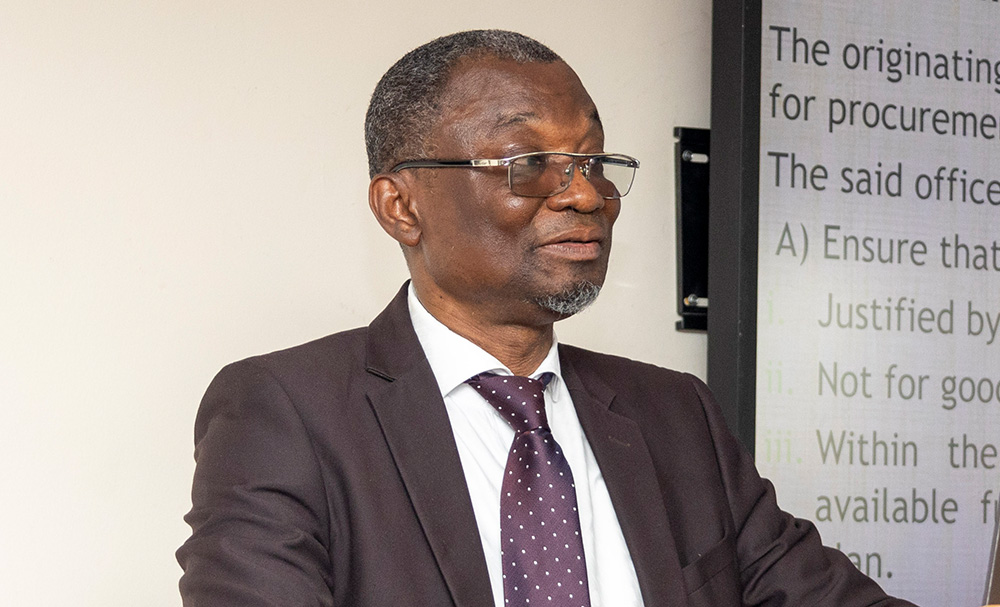
The Director of Procurement, Mr Duke Agyeman Fredua, delivered a practical, compliance-focused presentation on public procurement procedures under Ghana’s Public Procurement Act, highlighting the importance of value for money and due process.
“The objective of the Public Procurement Act is to secure value for money,” he said.
He further explained that all procurement activities within the university are governed by the Act, regardless of the funding source.
“If we have IGF, we have grants, donors, what have you, because the entity is a public entity, we have to go to the Public Procurement Act in procuring goods and services,” he noted.
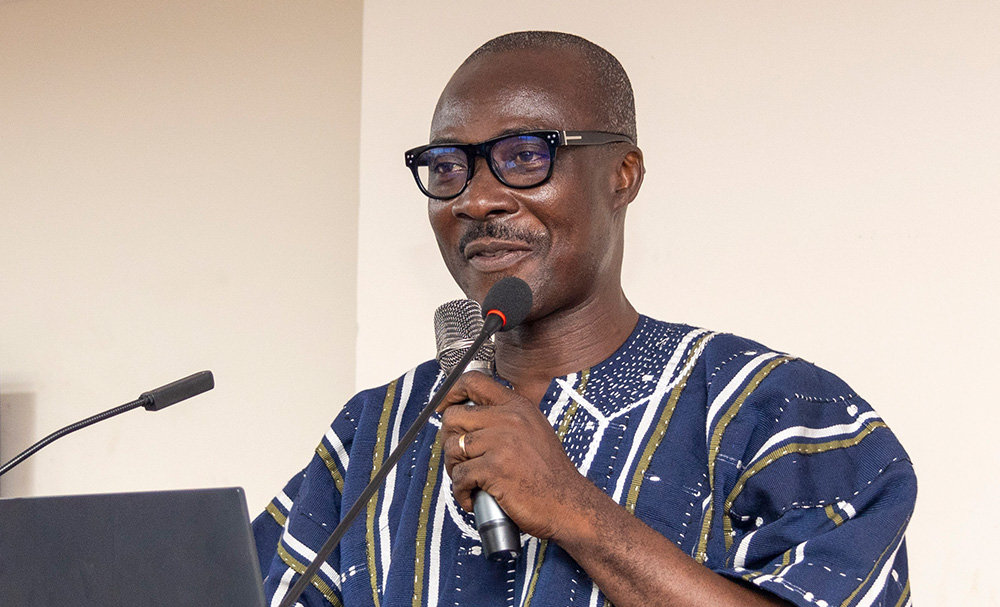
Also addressing participants, the Chairman of the College Procurement Committee, Professor Gabriel Nani, focused on strengthening compliance and preventing procurement infractions by grounding staff in the relevant legal and institutional frameworks.
“I would say as a procurement committee for the college, we see ourselves as people trying to safeguard the college, trying to insulate those who undertake procurement from any infraction and from being cited or penalised for any procurement infraction,” he said.
He explained that public procurement involves the use of public funds and must strictly follow procedures set by law.
“All the funds we have here for the various departments, for the production units, etc., are all public funds so anytime we have to use it, we know we must follow certain procedures outlined by the Public Procurement Authority,” he said.
Professor Nani acknowledged that while procurement processes may sometimes be demanding, they are necessary to ensure accountability.
“There are times the processes could be stressful, but all we are trying to do is to make sure no audit picks up anything for you to be called to answer issues in future,” he said.
He urged staff to remain diligent in adhering to established procurement guidelines.
“Let’s do more. Let’s try our best to observe the processes and to keep to the procurement guidelines that we are being given so as to ensure our procurement is clean,” he added.


