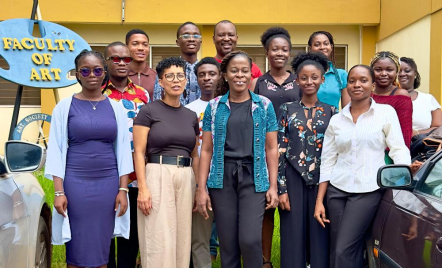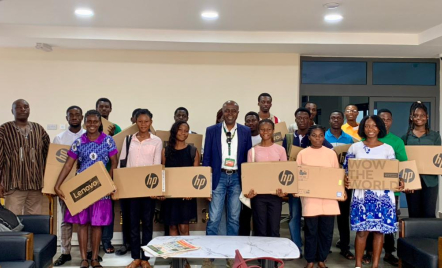

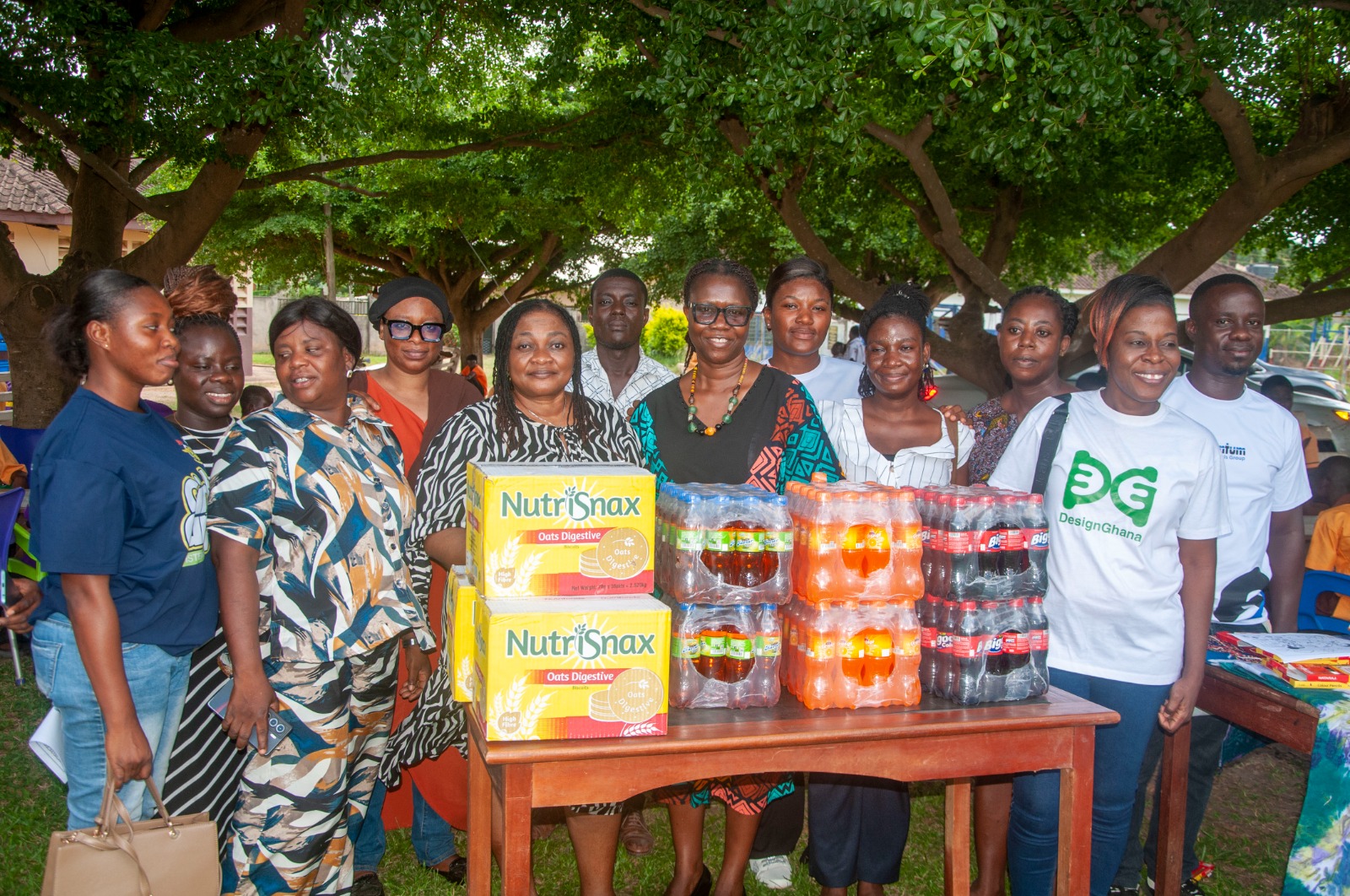
The College of Art and Built Environment (CABE) of the Kwame Nkrumah University of Science and Technology, Kumasi (KNUST) has brought smiles and motivation to students and staff of the Garden City Special School through an educational presentation and interactive learning activities designed for learners with special needs.
The visit encouraged creativity, hands-on learning and inclusion, bringing students, teachers and volunteers together for a memorable learning session.
Dr. Diana Ralitsa Debrah, a representative, emphasized that the outreach formed part of the university’s commitment to extending its expertise beyond campus.

“KNUST believes inclusivity shouldn’t begin only when learners arrive at the university,” she said. “We want to actively engage communities, support early learning environments, and help prepare students for higher education.”
The headmistress, Mrs. Roselyn Frimpomaa Agyapong, expressed gratitude for the initiative, describing it as a timely intervention that had improved the students’ learning process.
“Today has been remarkable. Your presence here has made some of them come out with their best,” she said. “I am even surprised at the way some of them were able to do controlled drawing. The more people come to support teaching and learning here, the more it enhances their ability to acquire skills that will help them in the future.”
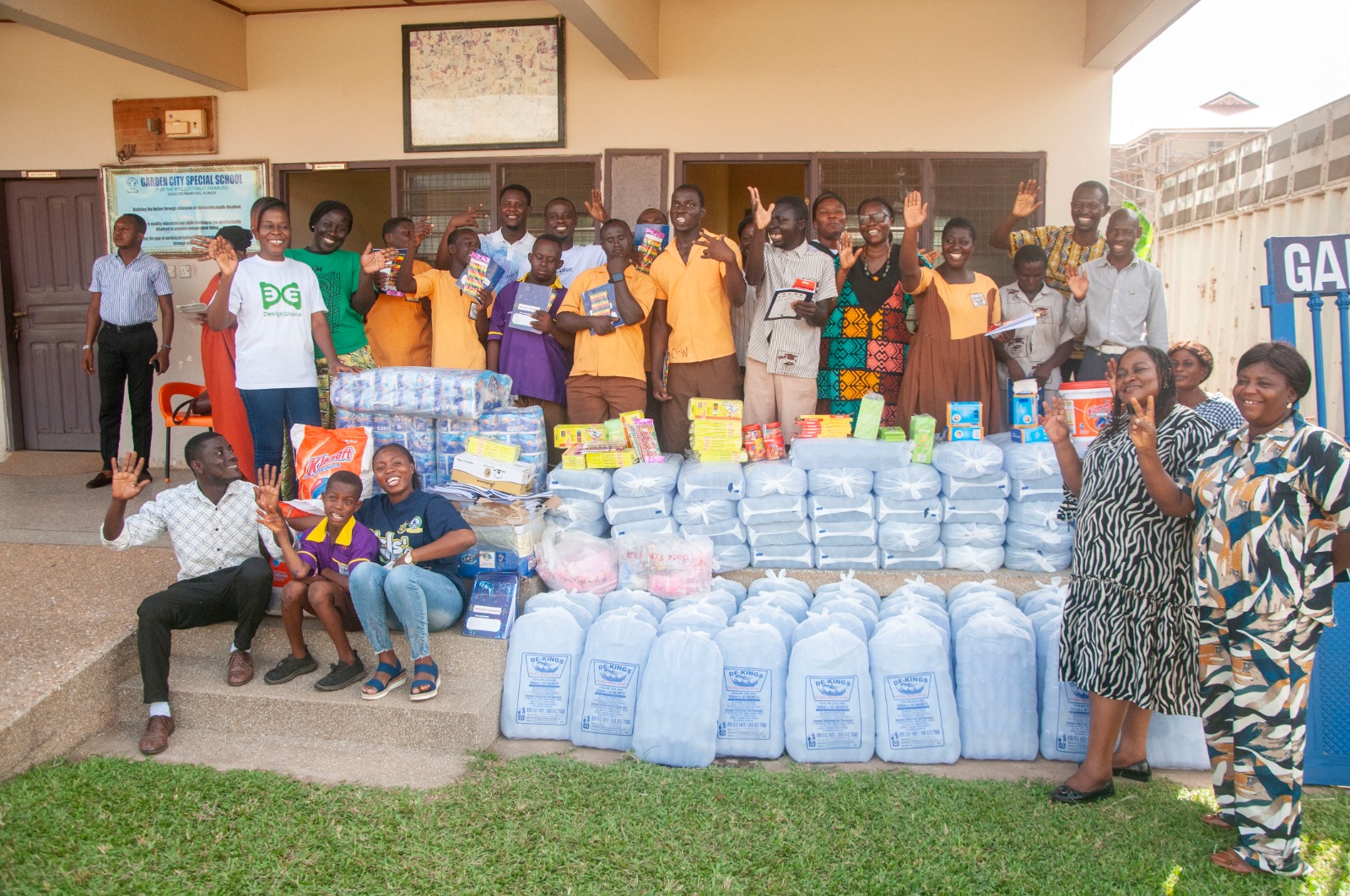
She also highlighted some of the school’s academic and vocational programmes, including bead-making, tie-and-dye, weaving and leatherwork. She noted that students continued to produce impressive handmade products despite challenges facing the institution.
Mrs. Agyapong outlined several pressing needs confronting the school, including inadequate classroom resources, shortages of feeding supplies, lack of sports kits and footwear, insufficient dormitory and classroom space, and limited staff accommodation.
She explained that, as a boarding institution, the school struggled with delayed feeding grants and inadequate sanitary supplies such as buckets and chamber pots for learners who were unable to use standard washroom facilities.
“We need more classroom resources and teaching materials that can help learners adjust and improve in the learning process,” she added. “We also need expansion of classrooms and dormitories because more parents are bringing their children here, but space is limited.”
She appealed to individuals, organizations and stakeholders to support the institution through donations, partnerships and educational outreach programmes.
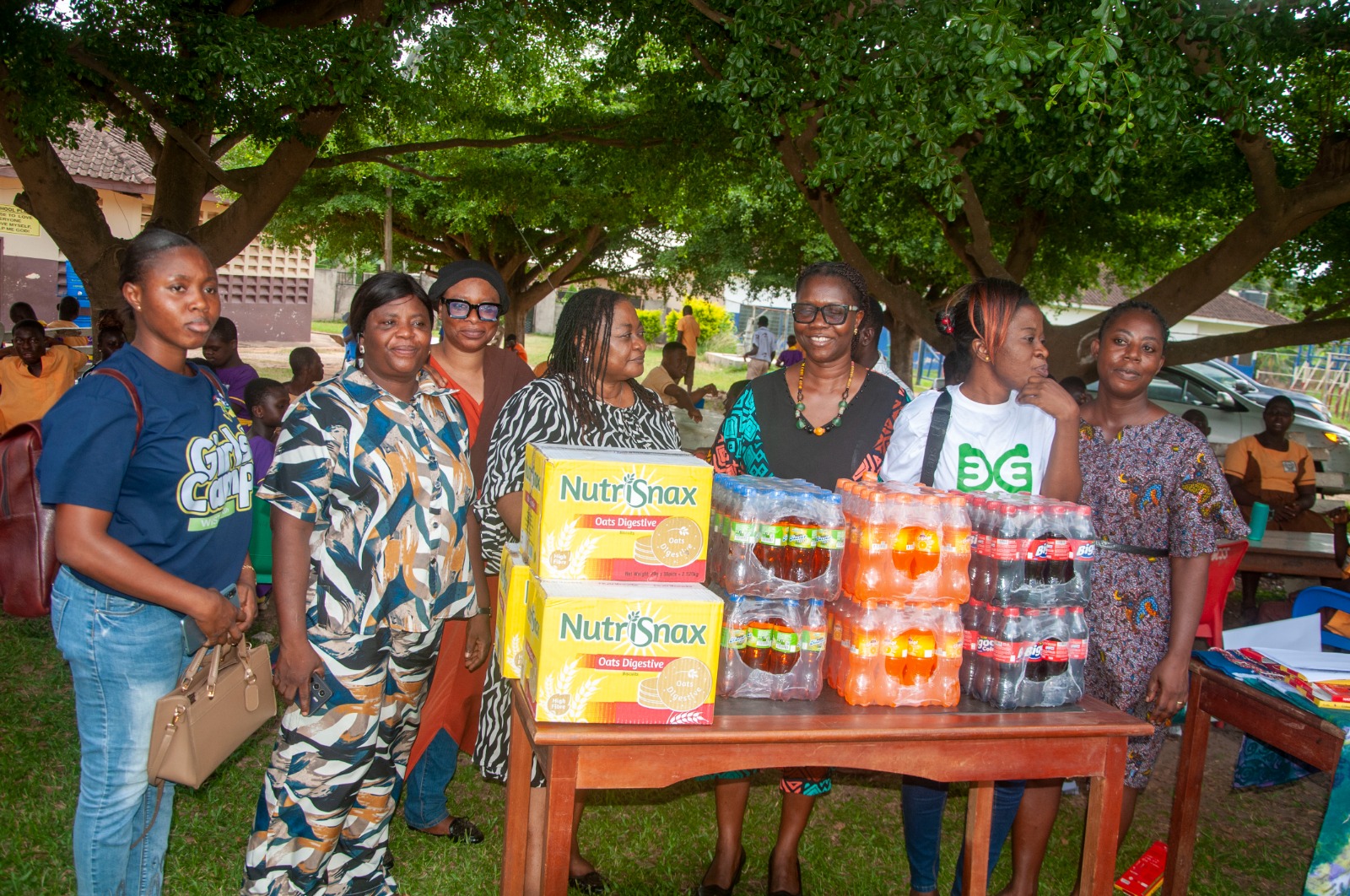
Mrs. Agyapong emphasized that the school remained open to collaborations that would improve the welfare and education of the learners.
“We invite anybody who wants to come and support. The teachers are here, the learners are here, we only need the resources and opportunities to help them learn and grow,” she said.