

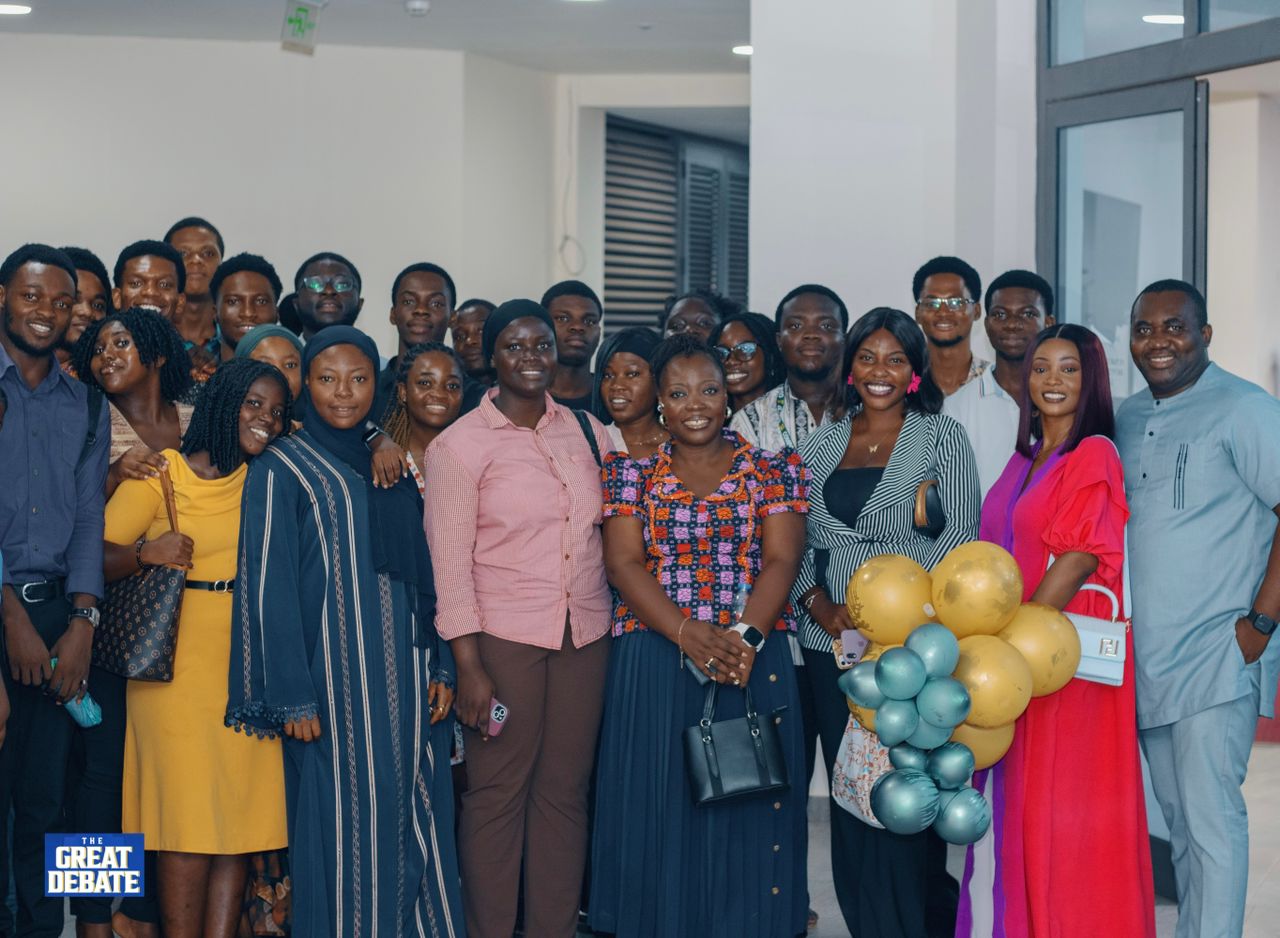
The Gender Inclusion and Vulnerability (GIV) Office at the College of Art and Built Environment (CABE), in collaboration with the Office of Women Commissioners (WOCOM-CABESSA), has organized a debate aimed at fostering dialogue on gender relations and their role in societal development.
The debate, themed “Masculinity vs Femininity: Conflict, Complement or Collaboration?”, brought together students, faculty members and invited experts to examine prevailing perceptions about men and women and explore how both genders can work together to build a more holistic society.
The programme provided a platform for critical dialogue, diverse perspectives and meaningful reflection on societal expectations of men and women, the realities shaping contemporary gender relations and opportunities for collaboration in addressing social challenges.
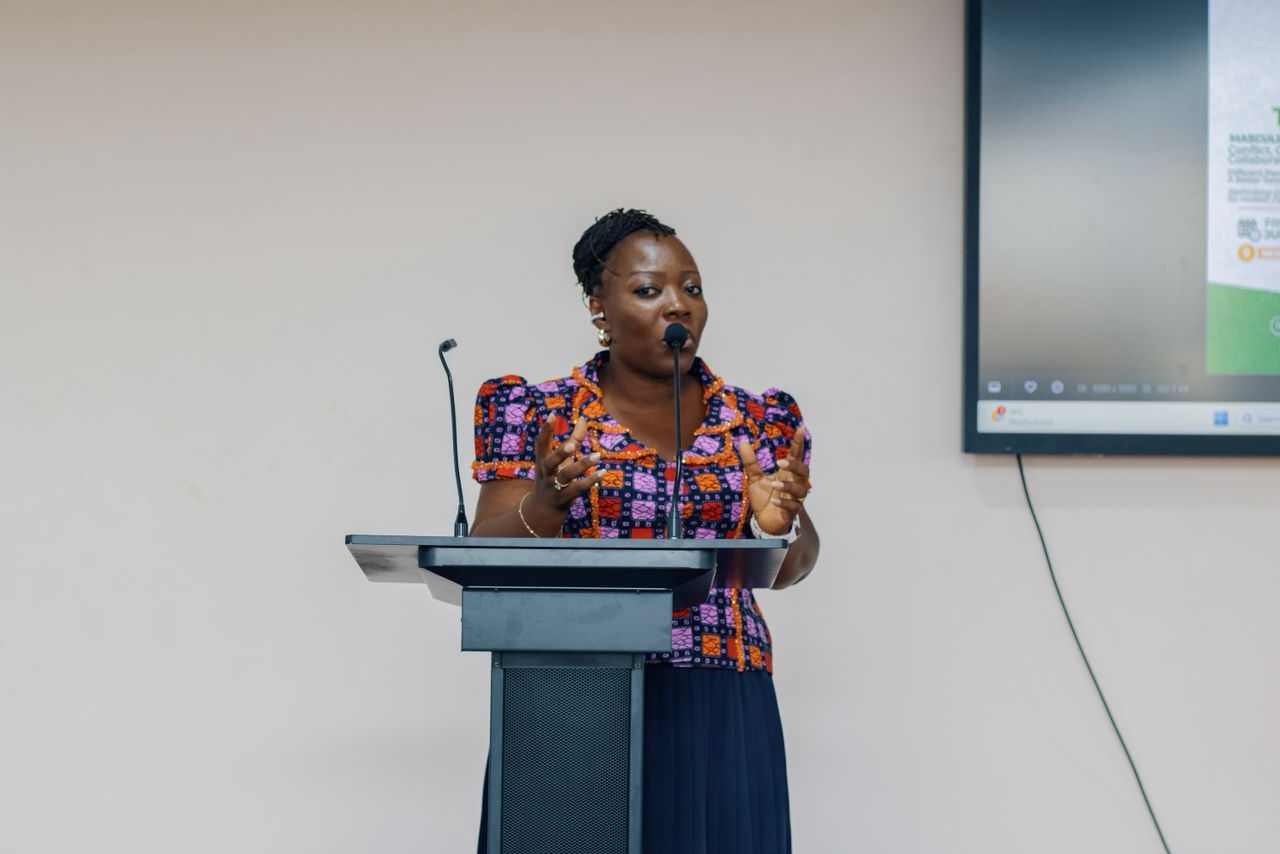
Speaking at the event, the Focal Chairperson for Gender Inclusion and Vulnerability at CABE, Dr. Amma Birago Kantanka Gyimah, underscored the importance of creating inclusive and supportive environments, noting that vulnerability is a condition that can affect anyone regardless of their background or circumstances.
She explained that a single life event could transform an individual from a position of stability to one of vulnerability, making it necessary for institutions and societies to develop systems capable of supporting all people when such situations arise.
“And so it is important that we create an environment, a society and systems that are resilient enough so that none of us finds ourselves in that state of vulnerability. And for that matter, we at CABE, Gender Inclusion and Vulnerability, decided that let us have dialogues going,” she said.
According to Dr. Gyimah, the dialogue was intentionally designed to center student voices while drawing on expert perspectives to enrich the discussion.
“So this time, we decided to hear the voices of the students themselves, know what is going on in their heads. And then we asked some experts to speak to some of the issues to bring some balance,” she stated.
She further noted that despite changing social conditions, many perceptions surrounding masculinity and femininity remain deeply embedded in society through socialisation.
“And so as archaic as the issue of masculinity and femininity is, when you listen to the things that we are seeing, modernity hasn’t changed much. The issues are still ingrained in us because we are socialised with it. But this afternoon, we want to create that platform for us to rethink and re-look at these issues and see where we can have a common groundbreaking,” she added.
A major highlight of the event was a debate between two student teams on the motion: “Masculinity and Femininity should transition from conflict to collaboration to achieve holistic human development.”
The debate generated extensive discussion on the evolving understanding of gender and the need for greater cooperation between men and women in addressing societal challenges.
Key arguments advanced during the dialogue included the view that gender is not merely an inherited state but also a social responsibility shaped by culture and human interaction.
Participants also argued that the future of masculinity and femininity should be grounded in partnership and shared growth rather than competition and rivalry.
Another recurring theme was that leadership, innovation, creativity and intelligence are not determined by gender but are qualities that can be developed and demonstrated by individuals regardless of sex.
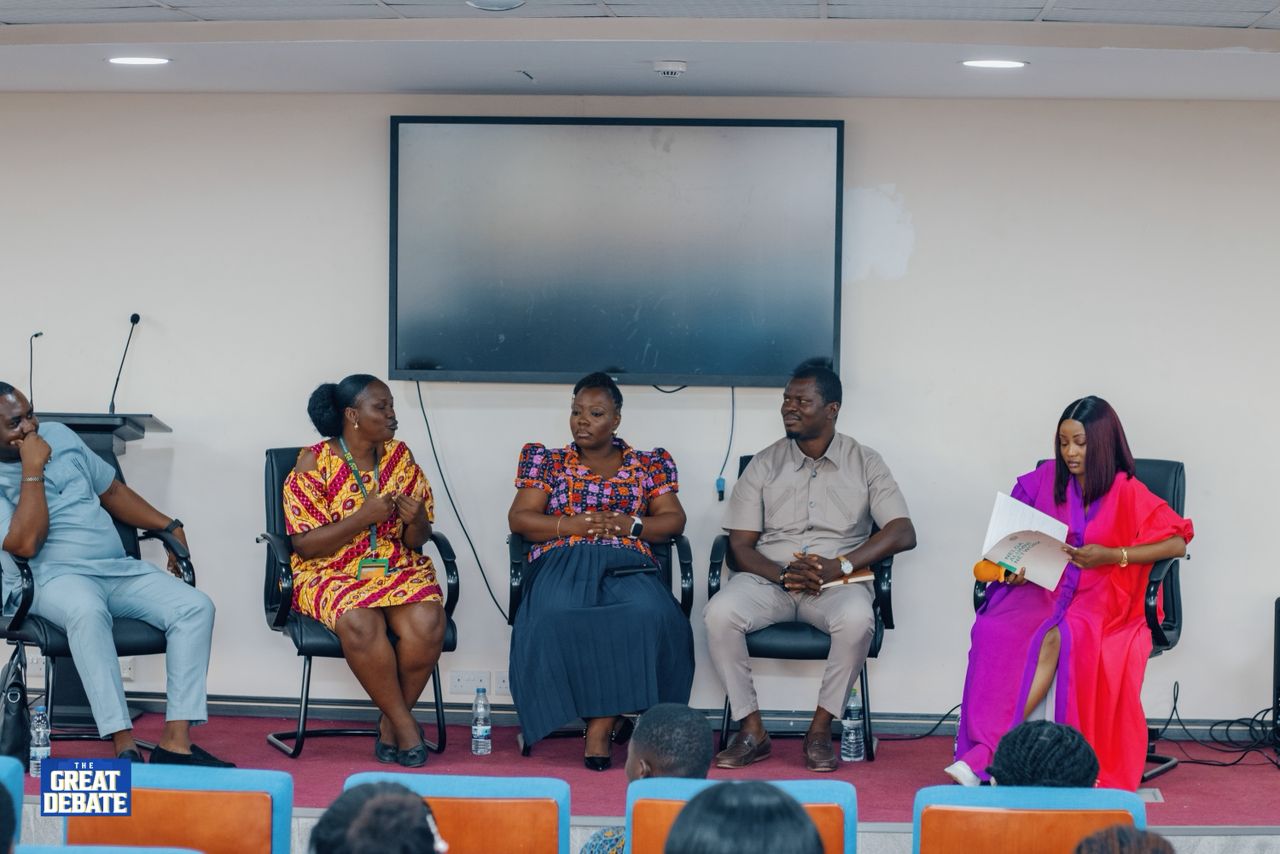
The programme also featured a panel discussion involving the College Counsellor, Dr. Elizabeth Anokyewaa Sarfo Fordjour, Rev. Arc. Bernard Affreh and Dr. Stephen Takyi, who offered professional perspectives on gender relations, vulnerability, personal development and social inclusion.


