
A joint College of Art and Built Environment research has called for the establishment of a national governance body to oversee large-scale land acquisitions in Ghana following findings that current acquisition processes often leave affected communities without compensation, resettlement, or meaningful participation.
The study, published in the International Journal of Urban Sustainable Development (2025), examined the challenges associated with government-led large-scale land acquisitions in four communities in the Wa Municipality.
The research team employed a mixed-methods approach, combining a survey of 324 landowners and land users with interviews and focus group discussions involving key stakeholders.
Drawing on the concepts of social contract and justice, the researchers investigated how existing legal, institutional, and governance arrangements shape land acquisition outcomes for affected communities.
The study revealed notable gaps in Ghana’s constitutional and institutional frameworks governing large-scale land acquisitions.
According to the researchers, acquisition processes were frequently characterised by overlapping land claims, unclear boundaries, land-related disputes, unpaid compensation, and the absence of resettlement arrangements for affected residents.
The findings further showed that government agencies often have considerable influence over decisions regarding the size, location, and nature of land required for development projects. In some cases, this resulted in the acquisition of more land than was necessary, affecting the livelihoods of local populations whose economic activities depended on the land.
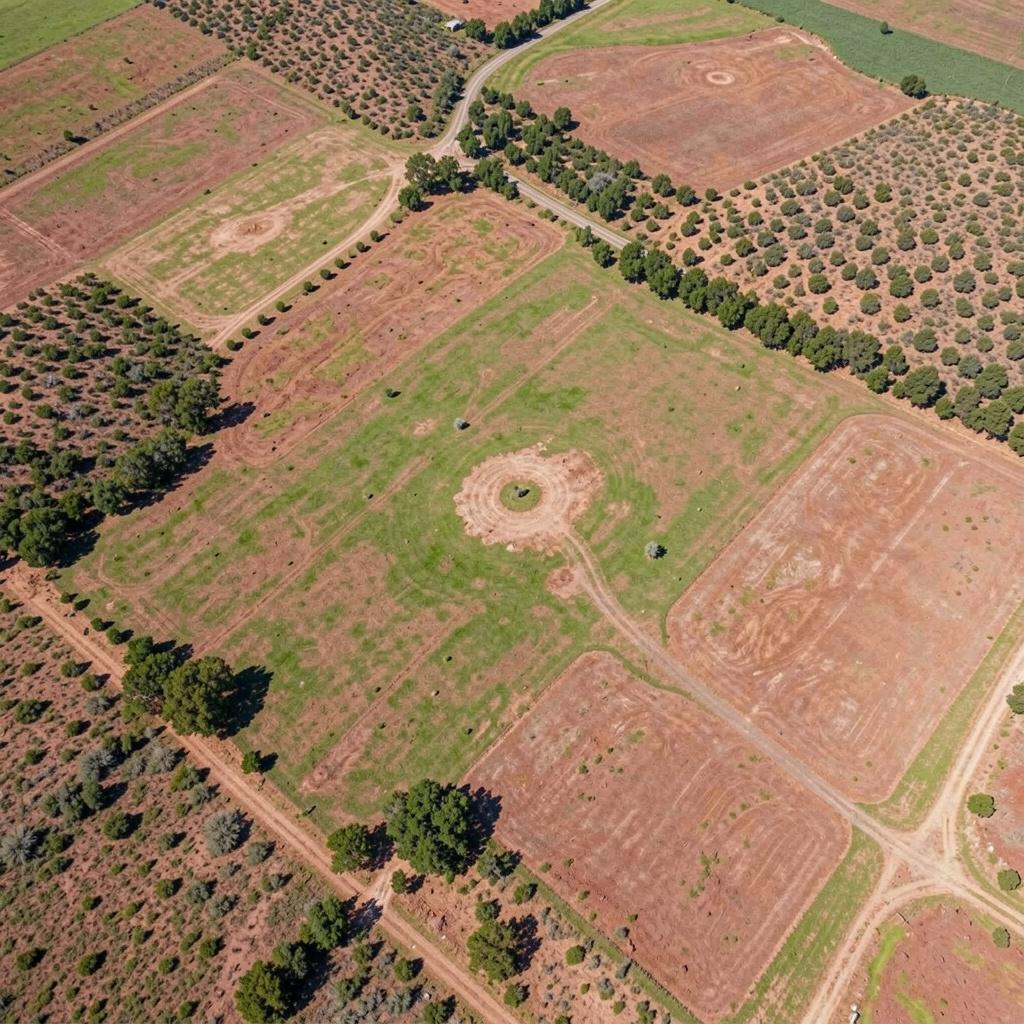
Across the four host communities, the study identified approximately 3,466.88 acres of arable land affected by large-scale government acquisition. The researchers found that many customary landowners and land users were inadequately involved in acquisition processes despite bearing the social and economic consequences of losing access to land.
The study also highlighted weaknesses in existing legal provisions relating to compensation and resettlement, with many affected residents reporting delays or non-payment of compensation and a lack of clear resettlement support.
Professor Owusu Amponsah, a co-author of the study, explained that oversight responsibilities are currently spread across multiple agencies.
“There is no single body with exclusive oversight of large-scale land acquisitions in Ghana. Responsibility is distributed across several institutions, each with a distinct but overlapping mandate. The lead institution depends on the nature, purpose, and scale of the acquisition,” he said.
According to the researchers, these shortcomings create power imbalances between acquiring agencies and local communities, undermining the principles of fairness and justice that should guide land governance.
To address these challenges, the study recommends constitutional and policy reforms that guarantee the full participation of affected landowners and users, provide sustainable compensation and resettlement packages, and clarify critical questions surrounding land acquisition decisions.
The researchers further advocate the creation of a national governance body dedicated to overseeing large-scale land acquisitions, with particular attention to safeguarding livelihoods, protecting vulnerable groups, and resolving disputes.
The authors include Prof. Alfred Toku, Prof. Owusu Amponsah, Prof. Stephen Appiah Takyi, and Michael Poku-Boasi.